
This company has no active jobs
0 Review
Rate This Company ( No reviews yet )
Company Information
- Total Jobs 0 Jobs
- Category NED University Naukri
- Location Rawlpindi
About Us
Zoning Regulation Compliance: Key Tips to Avoid Costly Renovation Delays

Zoning regulation compliance is a crucial cornerstone within the realm of development, architecture, and property growth that instantly impacts project feasibility, long-term investment returns, marcenaria em osasco and group welfare. Navigating the complicated matrix of zoning laws, ordinances, and local codes ensures that developments meet authorized standards, mitigate dangers, and contribute positively to neighborhood character and infrastructure. Beyond authorized conformity, strict adherence to zoning regulations presents tangible benefits, corresponding to optimizing land use, increasing property value, and reducing expensive project delays or rework. This deep dive explores the multifaceted dimensions of zoning regulation compliance, unpacking its legal framework, sensible implementation methods, common challenges faced by developers and owners, and the enduring advantages of conscientious observance.
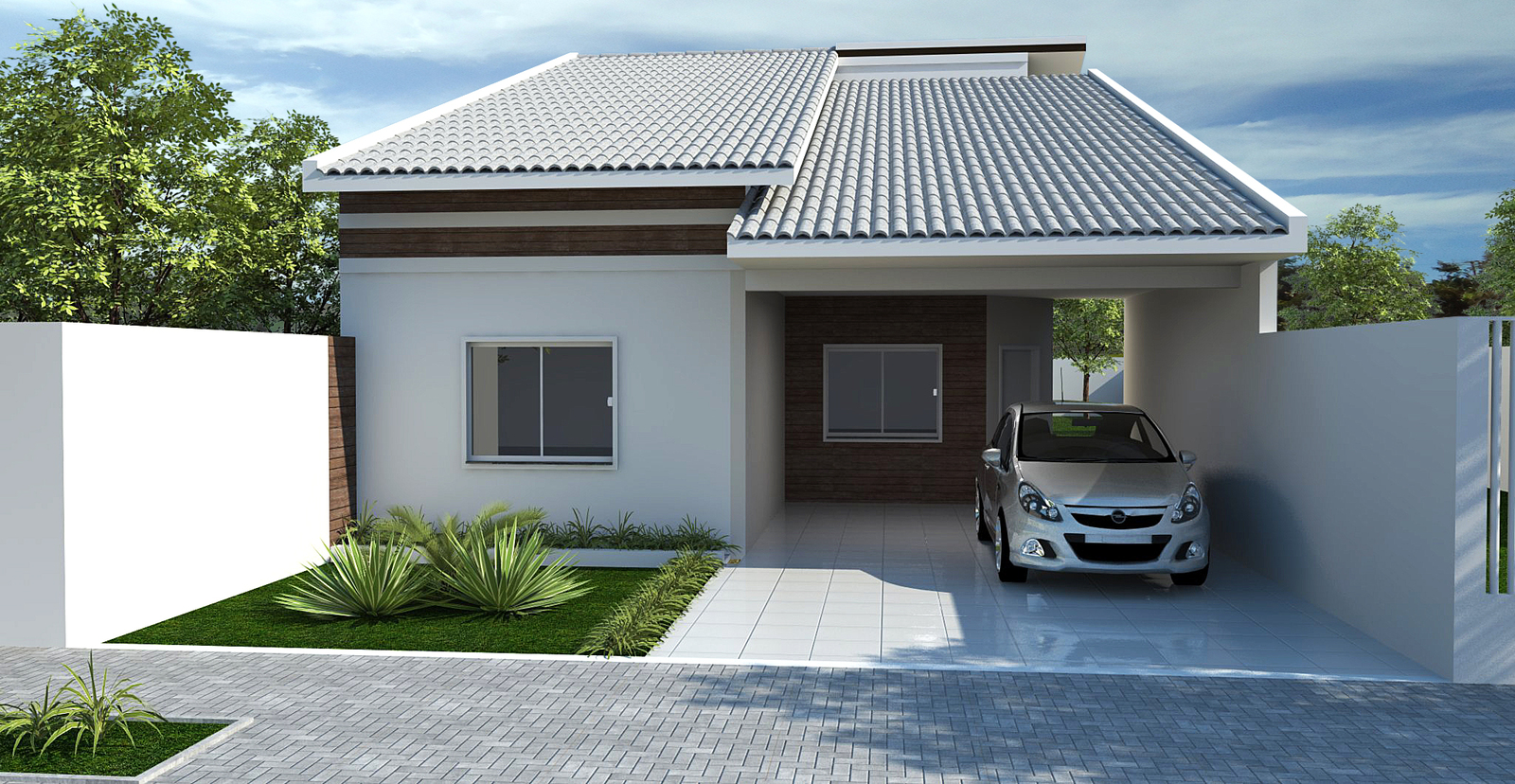
Understanding Zoning Regulations: Foundations and Framework
Before delving into compliance specifics, it is important to understand what zoning rules entail. At their core, zoning laws are local or regional statutes that define how parcels of land could additionally be used when it comes to building sort, density, height, setbacks, and practical designation. These guidelines, usually established by municipal planning boards or councils, balance property homeowners’ rights with public interests corresponding to safety, aesthetics, and environmental sustainability.
The Purpose and Scope of Zoning Regulations
Zoning serves a quantity of important roles:
- Protecting Public Health and Safety: By separating incompatible land uses—such as industrial services from residential neighborhoods—zoning minimizes dangers related to air pollution, noise, and site visitors hazards.
- Preserving Community Character and Livability: Parameters on constructing heights, design kinds, and lot sizes keep neighborhood cohesion and stop disruptive overdevelopment.
- Supporting Infrastructure and Public Services: Regulating density facilitates sufficient provision of utilities, schools, and emergency companies, preventing overburdening.
- Encouraging Economic Development: Designated business or mixed-use zones encourage enterprise growth, enhancing local economies.
Understanding this foundational purpose highlights zoning as a device for sustainable growth that yields long-term community and investor advantages.
Types of Zoning Classifications and Their Implications
Zoning codes differ but often embody several broad categories, each with distinct subcategories that impose nuanced building and use requirements:
- Residential Zones: These regulate single-family houses, multi-family flats, and accent dwellings, with controls on density, floor-area ratio (FAR), and setbacks.
- Commercial Zones: Designed for enterprise actions, from retail shops to offices, controlling sign placement, parking necessities, and operating hours.
- Industrial Zones: Handle manufacturing, warehousing, and heavy tools operations, imposing limits to reduce environmental impact.
- Mixed-Use Zones: Encourage combining residential, marcenaria em osasco commercial, and typically gentle industrial uses, selling walkability and concrete vibrancy.
- Special Purpose Zones: Include historic preservation districts, agricultural zones, environmental protection areas, and others, every including layers of restrictions.
Adhering to the proper zoning category is paramount; incorrect use designation can lead to enforcement actions, monetary penalties, or compelled project modification.
How Zoning Codes Are Structured and Updated
Zoning ordinances include detailed maps and written rules that delineate specific geographic boundaries and allowable uses. Typically, these codes embrace:
- Use Tables: Clearly itemizing permitted, conditional, and prohibited makes use of for every zone.
- Development Standards: Detailing setbacks (distance from property lines), height limits, lot coverage, parking minimums, and landscaping necessities.
- Procedural Guidelines: Explaining the permitting processes, conditional use permits (CUPs), variances, and appeals mechanisms.
Regular updates happen through amendments prompted by changing group needs, political priorities, or reformas Pequenas authorized rulings, making ongoing vigilance essential for compliance.
Benefits of Rigorous Zoning Regulation Compliance
Having established zoning’s parameters, it is crucial to grasp how compliance translates into practical benefits for property owners, developers, architects, and municipal entities. Compliance isn’t merely a authorized checkbox however a strategic strategy that safeguards investments, enhances development income, and fosters superior residing environments.
Increasing Property Value and Marketability
Properties developed in strict accordance with zoning legal guidelines usually have higher market worth and attract high quality buyers. Buyers and financiers choose projects which might be ‘zoning clear’ to avoid future litigation, forced modifications, or functionality limitations. Proper zoning compliance establishes certainty around permitted makes use of and building conditions, reassuring stakeholders and in the end elevating marketability and resale potential.
Reducing Risk of Costly Delays and Legal Penalties
Projects that sidestep zoning compliance danger extreme repercussions including stop-work orders, fines, or mandated demolitions. Such issues trigger important project delays and escalate costs exponentially. By investing upfront in zoning analysis and adherence, builders keep away from these pitfalls, protect cash circulate, and streamline approval processes. Furthermore, making certain compliance reduces the risk of neighbor disputes and litigation that can emerge when developments violate group expectations.
Improving Project Sustainability and Livability
Zoning legal guidelines typically mirror critical environmental and social insurance policies such as green space preservation, stormwater administration, and reasonably priced housing mandates. Compliance ensures that tasks contribute positively to ecosystem health and social fairness, which improves total neighborhood stability and desirability. This end result advantages builders by fostering goodwill and aligns with growing consumer preferences for environmentally and socially accountable developments.
Facilitating Infrastructure and Service Coordination
Local governments rely on zoning parameters to plan infrastructure capacity—such as sewer, schools, roads, and utilities. Compliance minimizes the chance of overburdened methods, unexpected costs for infrastructure upgrades, and service interruptions. This coordinated development approach enhances overall group functionality and reduces the likelihood of pricey retrofitting later.
Common Challenges in Achieving Zoning Regulation Compliance
Despite the many advantages, myriad hurdles complicate zoning compliance. Understanding these difficulties enables better planning, danger mitigation, and stakeholder communication throughout the project lifecycle.
Navigating Complex and Varied Local Codes
Zoning laws differ widely between jurisdictions and may be notoriously complex, especially in older cities with overlapping overlay districts or historic preservation requirements. Developers and householders unacquainted with native zoning intricacies often face confusion or oversight vulnerabilities. Professional experience in native codes and pre-application consultations helps to decode these complexities and ensure rigorous compliance.
Addressing Variances, Exceptions, and Conditional Use Permits
When desired makes use of or designs do not totally conform to zoning, it could be necessary to pursue variances or particular permits. The utility course of for these exceptions may be prolonged, politically delicate, and unsure. Effective preparation, neighborhood engagement, and transparent negotiations typically determine success. Understanding the standards and customary grounds for approvals is critical to scale back costly guesswork.
Dealing with Evolving Zoning Ordinances and Political Dynamics
Zoning codes periodically change due to shifting political priorities, neighborhood advocacy, or environmental issues. Projects underway throughout zoning amendments danger abruptly falling out of compliance, requiring redesign or further approvals. Staying informed about municipal planning agendas, and maintaining open communication with local businesses mitigates these uncertainties.
Reconciling Conflicting Regulations and Overlaps
Some properties might lie in areas with overlapping laws, such as floodplain overlays mixed with historic conservation districts. These layered requirements create complicated compliance landscapes necessitating in-depth legal and architectural coordination. Failure to reconcile these overlaps can stall or compromise initiatives.
Strategic Approaches for Effective Zoning Regulation Compliance
Achieving zoning compliance is a procedural journey requiring a proactive, coordinated method that integrates authorized, architectural, and neighborhood considerations to maximize project success and reduce delays or risks.
Conducting Thorough Pre-Design Zoning Research and Due Diligence
Early-stage discovery involving zoning verification, code interpretation, boundary affirmation, and consultation with planning officials is important. Professional planning consultants or architects must be engaged to translate zoning text into actionable design parameters and identify potential constraints or opportunities, similar to allowable density bonuses or design incentives.
Leveraging Technology and GIS Mapping for Site Analysis
Utilizing Geographic Information Systems (GIS) and zoning software instruments enhances accuracy and effectivity in understanding complex zoning landscapes. Such technologies permit overlays of zoning districts, flood zones, and infrastructure networks, offering comprehensive website intelligence to optimize design solutions and compliance methods.
Designing Projects with Flexibility and Compliance in Mind
Architectural and engineering designs should anticipate zoning necessities early within the course of, incorporating features like required setbacks, peak limits, and buffer zones. Flexibility can be purpose-built by exploring potential variance triggers and deciding on design alternate options that reduce the necessity for exceptions, thereby easing approval pathways and decreasing costs.
Engaging with Planning Authorities and Community Stakeholders
Proactive outreach to municipal planning employees, zoning boards, and area people groups builds belief, clarifies expectations, and often solves issues earlier than they escalate. Transparent communication round project intent and adherence to public enter processes enhances approval prospects and aligns development with native priorities.
Documenting Compliance Through Permitting and Inspection Processes
Maintaining complete information, including zoning interpretation letters, permitted permits, inspection reviews, and conditional use agreements, ensures authorized protection and operational readability all through building and occupancy phases. Such documentation additionally facilitates future property transactions and avoids audit complications.
Mitigating Risks Related to Zoning Non-Compliance
Ignoring zoning guidelines can result in critical penalties affecting finances, timelines, and reputations. Understanding these risks underscores the indispensability of compliance.
Legal Repercussions and Penalties
Non-compliance can set off litigation initiated by municipality enforcement offices or neighboring property owners. Typical penalties embrace substantial fines, pressured modifications, or demolition of unauthorized constructions. The resultant authorized fees and reputational harm can compromise future project prospects and investor confidence.
Financial Impacts of Project Delays and Revisions
Discovering zoning violations during building often results in obligatory halts, redesigns, and allow reapplications. This time misplaced directly inflates carrying prices including curiosity, labor, and materials, while delaying income era or occupancy.
Environmental and Community Backlash
Inadequate zoning compliance, especially relating to environmental or historic preservation requirements, https://2ip.ua/ru/services/information-service/domain-information?Ip=www.pakalljobz.com/companies/pequenasreformas-and-co/&a=act can provoke neighborhood opposition, protests, or negative media. Such backlash threatens project viability and strains local relations, harming both short-term outcomes and long-term legacies.
Summary and Practical Next Steps for Ensuring Zoning Regulation Compliance
In abstract, zoning regulation compliance is a complex however indispensable facet of profitable property improvement and architectural design. Its advantages are multifold: increasing property values, mitigating expensive risks, enhancing neighborhood livability, and facilitating infrastructure compatibility. While challenges like complicated local codes, evolving ordinances, and procedural hurdles exist, these may be skillfully navigated via informed analysis, strategic design, and energetic stakeholder engagement.
To transfer ahead effectively:
- Begin with comprehensive zoning due diligence—engage professionals early to interpret relevant zoning classifications, restrictions, and opportunities.
- Integrate zoning parameters meticulously into project design to attenuate variance wants and speed up approvals.
- Maintain proactive communication with planning authorities and neighborhood teams to align expectations and smooth permit functions.
- Leverage expertise tools such as GIS for precise website evaluation and documentation.
- Establish thorough recordkeeping of all zoning-related correspondence, permits, and inspections for danger management.
By adopting these best practices, builders, architects, and property owners can confidently navigate the zoning landscape to unlock value, reduce friction, and obtain sustainable improvement outcomes that stand the take a look at of time.