
This company has no active jobs
0 Review
Rate This Company ( No reviews yet )
Company Information
- Total Jobs 0 Jobs
- Category Excise Taxation Jobs, SED naukari
- Location Bristol, UK
About Us
Colonial Home Restoration Secrets to Boost Value and Charm Fast
Colonial house restoration is a specialised self-discipline inside the subject of historic preservation and residential renovation, focusing on returning colonial-era residences to their genuine architectural and structural integrity. This course of is pivotal for preserving cultural heritage, enhancing property values, and ensuring compliance with modern constructing requirements whereas safeguarding the home’s authentic character. Approaching colonial house restoration requires a meticulous mix of historic information, technical expertise, and thoughtful decision-making to solve typical challenges such as outdated materials, structural decay, and vitality inefficiency, all while maintaining the visible and historic authenticity of the property.
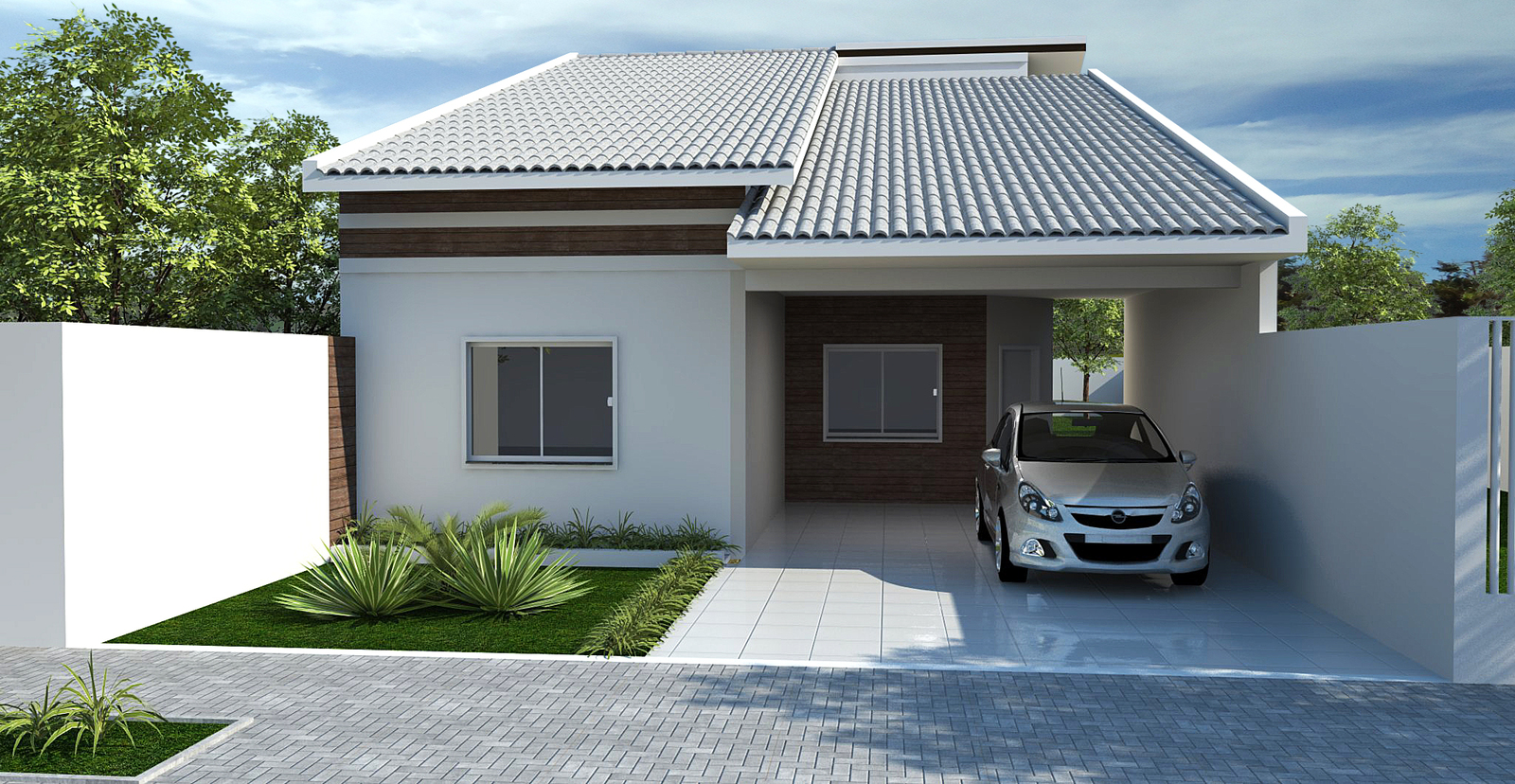
Understanding Colonial Architecture: Foundations for Restoration
Before embarking on restoring a colonial residence, a deep understanding of the architectural types, building strategies, and historical context is crucial. Recognizing the defining options and materials used traditionally informs all restoration selections, making certain authenticity and structural soundness.
Characteristics of Colonial Architectural Styles
Colonial structure encompasses varied substyles—including Georgian, Dutch Colonial, Spanish Colonial, and Federal—each reflective of regional influences and historic intervals. Key components such as symmetrical facades, central chimneys, Empresa De reformas Experiente gabled roofs, double-hung sash home windows, and wood-frame development set up the architectural vocabulary to restore. Identifying these options aids owners and professionals in making informed restoration choices that honor the home’s heritage.
Historic Materials and Construction Techniques
The unique colonial homes had been constructed using materials like hand-hewn timber, lime-based mortar, strong brickwork, and reformas Pequenas wide plank flooring. Techniques such as timber framing with mortise and tenon joints and plaster partitions with horsehair reinforcement have been frequent. Understanding these materials and methods is crucial for choosing applicable restoration supplies that not solely look authentic but in addition carry out equally beneath environmental stresses.
The Importance of Historical Research and Documentation
Accurate restoration begins with complete research—examining old photographs, architectural drawings, land data, and former renovation documents. This archival investigation helps establish original layouts, colors, and design details, stopping the costly mistake of applying inaccurate up to date aesthetics as an alternative of true restoration. Preservation requirements, corresponding to those outlined by the National Park Service’s Standards for Rehabilitation, emphasize this research-driven strategy as foundational to successful colonial house restoration.
Armed with historical understanding, the subsequent logical focus is evaluating the situation of the home to determine the critical areas for intervention.
Assessing the Condition of a Colonial Home: Diagnostic Strategies
Thorough inspection and assessment reveal the present state of the home’s construction, finishes, and methods. Effective diagnostics mitigate dangers, prioritize repairs, and information restoration plans to optimize durability and resource funding.
Structural Integrity Evaluation
Colonial homes often endure from foundation settling, wood rot, or insect damage after centuries of exposure. Robust assessment strategies involve visible inspection mixed with moisture meters, probing instruments, and sometimes non-invasive imaging similar to infrared thermography to detect hidden decay or compromised framing. Identifying these defects early reduces long-term upkeep costs and prevents safety hazards.
Material Degradation and Preservation Concerns
Wooden elements, masonry partitions, and original plaster are susceptible to environmental degradation, together with moisture infiltration, freeze-thaw cycles, and biological development. Understanding the condition of these materials is important for choosing compatible restore methods—ranging from consolidants for fragile wooden to lime-based mortars for historic brickwork—to guarantee repairs don’t introduce incompatible or damaging supplies that speed up deterioration.
Building Code Compliance and Safety Inspections
Restorations must align with native and nationwide constructing codes, together with structural loading, hearth security, electrical techniques, and accessibility. Some requirements may battle with preservation objectives, necessitating inventive solutions corresponding to hid fashionable reinforcements or sympathetic system upgrades. Compliance ensures occupant safety, avoids legal complications, and can enhance insurance coverage eligibility and property marketability.
After establishing the current state of the home, consideration should shift to planning and executing restorations that mix preservation with trendy performance and efficiency.
Restoration Planning and Techniques for Colonial Homes
Effective planning interprets research and diagnostics into actionable steps that optimize authenticity, durability, and livability. It integrates preservation principles with modern building science to increase the home’s lifespan while honoring its unique character.
Choosing Authentic Materials and Craftsmanship
Sourcing traditionally correct materials is a cornerstone of colonial house restoration. When unique supplies are deteriorated past repair, salvaged or custom-fabricated replacements matching grain, profile, and composition preserve visual and physical integrity. Employing craftsmen skilled in traditional joinery, plastering, and masonry ensures interventions are indistinguishable from the original work—adding intrinsic worth that resonates with preservationists and consumers alike.
Addressing Structural Deficiencies
Remediation of structural issues should stability reinforcement with minimal intervention. Solutions like sistering joists, installing concealed metal helps, or underpinning foundations safeguard the building with out compromising historic fabric. These strategies stop catastrophic failures and cut back long-term repair costs whereas respecting the building’s original engineering logic.
Restoring Historic Finishes and Architectural Details
Colonial properties often feature detailed woodwork, interval moldings, authentic window sashes, and decorative plasterwork. Restoration contains cautious cleaning, consolidation, and repainting with traditionally accurate colors and finishes derived from paint analysis. Retaining and repairing authentic window glass and hardware improves aesthetic authenticity and may considerably enhance the home’s market attraction.
Integrating Modern Systems Discreetly
Modern conveniences like HVAC, electrical wiring, and plumbing are essential for modern living standards however could threaten historic cloth. Sensitive integration—such as routing wiring by way of existing chases, utilizing remotely positioned HVAC units, or putting in low-profile fixtures—minimizes visual impression and preserves inside and exterior aesthetics. This harmonization improves vitality efficiency and luxury while sustaining historic character, supporting each quality of life and regulatory compliance.
A well-rounded restoration also addresses the power performance and environmental resilience of colonial houses, crucial issues for today’s householders.
Enhancing Energy Efficiency and Sustainability in Colonial Restoration
While colonial houses supply charm and historic significance, their unique designs typically lack fashionable thermal efficiencies. Strategic upgrades enhance comfort and scale back working prices with out compromising architectural integrity.
Improving Insulation and Air Sealing
Original colonial walls have been seldom insulated, inflicting heat loss and draftiness. However, invasive insulation set up can injury plaster and wooden. Solutions include blown-in cellulose insulation the place cavities exist, or installing interior insulation panels that keep vapor permeability to keep away from moisture issues. Effective air sealing around windows and doorways with weatherstripping and storm home windows reduces infiltration, decreasing heating and cooling expenses while preserving original window sashes.
Energy-Efficient Window Restoration
Replacing historic home windows with trendy units typically diminishes worth and authenticity. Instead, restoration consists of repairing sash weights, reglazing, and installing interior or exterior storm home windows with low-e coatings that improve thermal efficiency while defending authentic frames and glass. This approach retains visual authenticity and improves thermal comfort and noise discount.
Adopting Sustainable Materials and Practices
Utilizing sustainable supplies such as reclaimed wooden, low-VOC paints, and lime-based mortars helps environmental duty and aligns with the ethos of preservation. Moreover, restoration reduces landfill waste by reusing parts rather than wholesale substitute. These practices may qualify householders for tax incentives, green building certifications, or historic preservation grants, strengthening the financial return on funding.
Beyond technical enhancements, addressing unique challenges related to colonial house restoration ensures lasting success and home-owner satisfaction.
Common Challenges in Colonial Home Restoration and Their Solutions
Restoration initiatives incessantly encounter obstacles corresponding to hidden harm, sourcing applicable supplies, and balancing trendy wants with historic authenticity. Anticipating and managing these challenges enhances outcomes and safeguards investment.
Mitigating Hidden Deterioration
Many colonial homes harbor concealed issues behind partitions, beneath floors, or in attics—ranging from termite damage to outdated wiring and plumbing. Employing complete exploratory techniques and phased restoration helps uncover and handle these issues systematically, avoiding costly surprises. Treatment for pests, structural stabilizations, and updating mechanical techniques are important steps in preserving the building long-term.
Navigating Regulatory and Preservation Guidelines
Local historic districts and preservation commissions impose strict guidelines to guard architectural heritage. Coordinating with these bodies early ensures smooth approvals and avoids work stoppages or fines. Understanding the stability between preservation mandates and code requirements facilitates using variances, various supplies, or strategies that satisfy each safety and authenticity standards.
Balancing Modern Lifestyle Needs with Historic Character
Homeowners usually need modern kitchens, bathrooms, and open ground plans that colonial homes weren’t designed to accommodate. Creative design options retain important architectural options while subtly integrating new functions—such as using furnishings to define areas or preserving doorways and trim in renovation plans. This stability enhances livability with out diminishing historic value or resale potential.
Controlling Budget While Maintaining Quality
Restoration could also be pricey, especially when specialized labor and materials are concerned. Approaching the project with staged priorities, clear scopes, and contingency plans controls costs with out sacrificing quality. Investing in high-impact restoration elements—like roofing, windows, and structural reinforcements—protects the property’s core value and reduces cumulative upkeep bills.
With challenges addressed, tailoring restoration strategies to maximize financial and experiential advantages optimizes the worth of efforts invested.
Maximizing the Benefits of Colonial Home Restoration
Successfully restoring a colonial home delivers numerous advantages together with enhanced property worth, improved sturdiness, aesthetic satisfaction, reformas Residenciais and cultural significance. Understanding these advantages can guide restoration priorities and justify investments.
Increasing Property Value and Market Appeal
Authentically restored colonial properties are highly wanted. Real estate appraisers acknowledge the added value of preserved authentic options and superior craftsmanship compared to modern renovations. Buyers recognize the historic allure combined with useful updates, resulting in faster sales at premium prices. Incorporating energy-efficient and code-compliant enhancements further amplifies value and marketability.
Reducing Long-Term Maintenance and Repair Costs
Proactive restoration removes sources of ongoing deterioration similar to leaks, rot, or basis instability. Durable repairs utilizing proper materials reduce the frequency and expense of upkeep. Strategic modernizations in systems and insulation also contribute to operational financial savings, creating a home that is financially sustainable over many years.
Enhancing Quality of Living and Comfort
Updated mechanical techniques, controlled indoor environments, and preserved aesthetics contribute to a more healthy and more enjoyable living house. Respectful restoration preserves indoor air quality by avoiding artificial materials or harmful paints and mitigates noise and temperature fluctuations inherent in uninsulated historic buildings.
Preserving Cultural and Historical Legacy
For many, restoring a colonial home is a labor of affection that contributes to the preservation of regional and nationwide historical past. This sense of stewardship adds intrinsic value, fosters community pride, and qualifies house owners for historic preservation incentives and awards. Restored properties turn out to be instructional assets and sources of inspiration for future generations.
Bringing all these threads together requires considerate planning and careful execution, summarized and actionable in the ultimate section.
Conclusion: Key Insights and Practical Next Steps for Colonial Home Restoration
Colonial home restoration stands at the intersection of historic preservation, technical mastery, and fashionable dwelling needs. By grounding restoration in an understanding of period structure and materials, performing rigorous condition assessments, and employing delicate methods, homeowners can dramatically improve the longevity, worth, and luxury of their houses.
Key insights embody:
- Comprehensive historical research ensures restoration choices honor authentic particulars and unique craftsmanship.
- Detailed situation assessments identify structural and materials concerns early, preventing pricey surprises.
- Selection of suitable materials and skilled artisans maintains historic integrity whereas guaranteeing sturdiness.
- Discreet integration of modern systems balances consolation and code compliance without compromising historic character.
- Energy-efficient upgrades cut back operating expenses and enhance comfort without harming the building’s fabric.
- Effective project management helps control prices and timelines without sacrificing quality or Pequenas Reformas compliance.
Practical subsequent steps for homeowners and professionals embarking on colonial residence restoration include:
- Engage specialists in historic structure and constructing science early to conduct analysis and complete inspections.
- Develop a phased restoration plan prioritizing critical structural and envelope repairs before aesthetic enhancements.
- Consult native preservation authorities and obtain needed permits to make sure compliance and access potential incentives.
- Source authentic supplies via salvage yards, specialised suppliers, or bespoke fabricators aligned with interval standards.
- Choose contractors skilled in conventional methods and historic properties with proven track data.
- Incorporate energy-efficiency and modern system upgrades rigorously deliberate to guard the home’s historic cloth.
- Plan for ongoing maintenance strategies that emphasize periodic inspections and delicate interventions to sustain restoration gains.
Approaching colonial residence restoration with this complete, expert-informed framework not solely enhances the property’s market worth but additionally ensures the preservation of its distinctive heritage, delivering a residence that is beautiful, useful, and enduring for generations to come.