
This company has no active jobs
0 Review
Rate This Company ( No reviews yet )
Company Information
- Total Jobs 0 Jobs
- Category OPF Naukri
- Location Gvadar
About Us
Home Renovation Ideas That Boost Value and Inspire Fresh Designs
A renovation portfolio serves as a vital device for professionals and homeowners alike, showcasing curated examples of completed renovation tasks that embody design expertise, craftsmanship, and strategic problem-solving. Beyond mere visual attraction, a well-crafted renovation portfolio features as a complete testament to high quality, helping to instill trust, convey technical proficiency, and show the flexibility to fulfill stringent building codes and shopper expectations. By providing detailed insights into various renovation approaches, materials used, and compliance methods, it advantages stakeholders by clarifying what profitable renovation entails, reformas Residenciais finally supporting higher decision-making in future initiatives. This article explores each dimension of making, understanding, and leveraging renovation portfolios to maximise each aesthetic and financial returns.

Understanding the Purpose and Importance of a Renovation Portfolio
Before constructing or assessing a renovation portfolio, it is crucial to grasp its multifaceted value. A renovation portfolio is not only a set of before-and-after images—it is a strategic document that highlights how renovation options address widespread pain points, optimize living environments, and improve property worth.
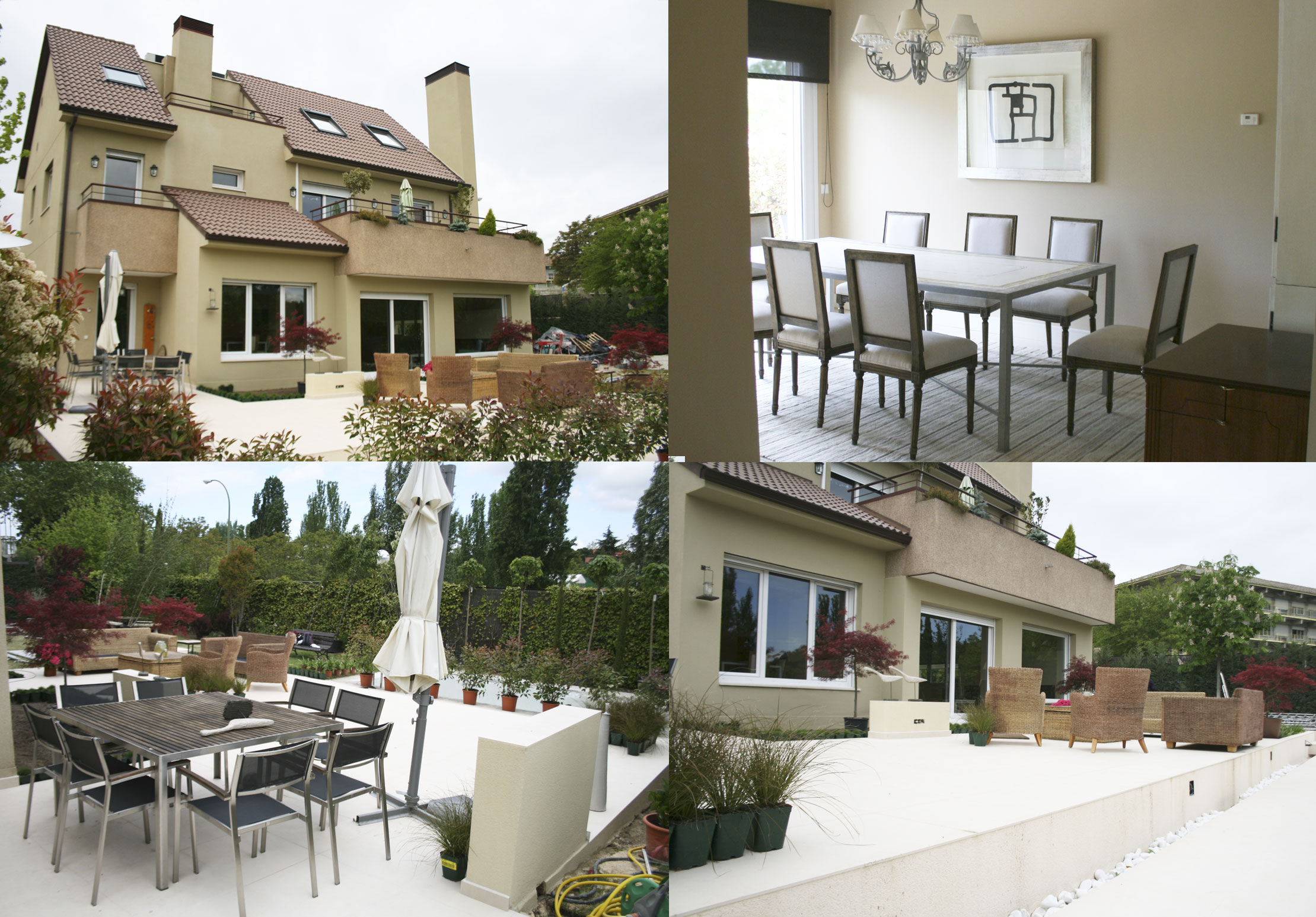
The Strategic Role of Renovation Portfolios in Professional Practice
For architects, builders, and renovation consultants, the renovation portfolio acts as the first medium for Alumni.Hildred.Ibbott@Haedongacademy.Org constructing credibility with potential clients and trade partners. It reveals technical capabilities corresponding to adherence to local building codes, marcenaria em osasco expertise in structural remodeling, and proficiency in integrating trendy technologies with conventional designs. Presenting tasks that solve complex challenges—like improving vitality effectivity while preserving historic features—demonstrates practical knowledge that potential clients depend on for belief.
For Homeowners: Navigating Renovation Decisions with Confidence
Homeowners use renovation portfolios to visualize what is achievable within their budgets, timelines, and personal taste. A detailed portfolio alleviates uncertainty by showing sensible outcomes, potential pitfalls, and progressive design methods that improve the house’s functionality and aesthetics. It directly addresses common house owner considerations such as minimizing disruption throughout building, staying inside legal parameters, and maximizing long-term sturdiness, offering clear examples of how these points could be navigated effectively.
Enhancing Value and Mitigating Risks
A thoughtfully compiled renovation portfolio can considerably influence property value appreciation. Documenting tasks that improve usable sq. footage, improve energy ratings, or improve important systems like plumbing and electrical wiring illustrates a systematic strategy to renovation. Clients can then understand how these upgrades scale back ongoing maintenance costs and enhance market attractiveness. This strategy mitigates dangers related to poorly deliberate renovations that always lead to overruns, code violations, or structural problems.
Having established why renovation portfolios are important, it’s essential to delve into the foundational components of setting up one that fully captures this worth.
Core Components of a Highly Effective Renovation Portfolio
Creating a renovation portfolio that acts as a powerful communication and marketing tool requires consideration to comprehensive, accurate, and well-organized content. Each factor should highlight technical proficiency whereas conveying the narrative of transformation.
Project Selection and Diversity
A balanced portfolio features a range of project varieties, from minor interior refurbishments to intensive structural renovations. This diversity showcases adaptability and experience in several scales and styles—whether it’s modernizing a kitchen, restoring a heritage façade, or reconfiguring floor plans for better workflow. Including initiatives that meet varied building regulations and zoning conditions additionally highlights compliance information.
Detailed Project Documentation
Beyond captivating visuals, every project should be documented with detailed descriptions about scope, challenges, solutions, and outcomes. Explaining how specific hurdles had been overcome—like coping with load-bearing wall reinforcements or putting in energy-efficient home windows in dated structures—adds valuable context. Highlighting collaboration with structural engineers, inside designers, and specialists can additional illustrate a holistic method.
Visual Presentation and Quality Imagery
High-resolution, professionally taken photographs earlier than, throughout, and after renovation function the strongest evidence of workmanship and design influence. Including flooring plans, 3D renderings, and material samples enrich the person experience. Using visual storytelling techniques, corresponding to progress timelines or interactive galleries, helps potential shoppers and stakeholders grasp the process and anticipate results extra clearly.
Integration of Technical Data and Compliance Information
Incorporating technical documentation such as permits, vitality efficiency rankings, or structural calculations in an accessible format reinforces the portfolio’s authority. This transparency reassures shoppers that renovations comply with worldwide and native requirements such as the International Residential Code (IRC) or regional adaptive re-use pointers, lowering hesitation and enhancing perceived reliability.
Having outlined the important content elements inside a renovation portfolio, reformas Pequenas it’s equally essential to know tips on how to construction and tailor portfolios to fit totally different audiences and objectives.
Structuring and Tailoring Renovation Portfolios for Impact
Effective portfolio structuring organizes info logically, marcenaria em osasco easing navigation while emphasizing probably the most impactful tasks and messages. Customization based mostly on the audience ensures relevance and maximizes engagement.
Organizing by Project Type vs. Problem-Solution Approach
Some portfolios are organized categorically by renovation type—kitchens, bogs, facades—which permits shoppers to quickly discover relevant examples. Alternatively, a problem-solution framework focuses on specific shopper challenges corresponding to area constraints or accessibility, presenting tasks that solved these points. This technique instantly underscores immediately how design pondering translates into sensible advantages, fostering stronger emotional connections and confidence.
Audience-Centric Customization
When presenting to potential purchasers, portfolios emphasize aesthetic appeal, testimonials, and demonstration of value-enhancing outcomes, including ROI figures or appraisal enhancements. For contractors or investors, the primary focus may shift toward budgets, timelines, supplies sturdiness, and compliance reviews. Tailoring language and content to speak to the considerations of each viewers section increases portfolio effectiveness and responsiveness.
Leveraging Digital Platforms and Interactivity
Modern renovation portfolios profit from digital integration that enhances person engagement. Interactive features similar to clickable ground plans, detailed project timelines, and video walkthroughs help communicate complexities that static paperwork cannot. Furthermore, digital portfolios allow straightforward updates and customization for a number of proposals, encouraging transparency and responsiveness all through the consumer acquisition process.
With a robust structure in place, the function of a renovation portfolio extends past marketing and consumer belief; it turns into a significant tool in project planning and execution.
Renovation Portfolios as Tools for Project Planning and Risk Management
Beyond showcasing work, renovation portfolios aid planners, builders, and householders in anticipating challenges and strategizing options, knowledgeable by previous experiences documented within the portfolio.
Learning from Documented Project Challenges
Detailed case studies included in portfolios present insight into potential problems corresponding to hidden structural harm uncovered during demolition or unforeseen costs associated to materials substitutions. Recognizing these patterns helps stakeholders allocate contingency reserves and make knowledgeable choices about timelines and design feasibility.
Supporting Compliance and Safety Assurance
Portfolios that include examples of code adherence provide reassurance round important safety concerns—fire escapes, load tolerances, air flow requirements, or insulation necessities. This reassures stakeholders that designs have been validated in opposition to regulatory frameworks, reducing liability dangers and guaranteeing occupant safety.
Facilitating Budget Accuracy and Cost Control
By presenting detailed cost breakdowns and expenditure reports, portfolios allow more exact budgeting. This transparency helps contingency planning and helps keep away from cost overruns by highlighting areas prone to surprising expense increases, corresponding to specialized labor or permit fees. It also showcases value engineering approaches the place efficient, cost-saving design choices were made with out compromising quality.
Having established the multifaceted uses of renovation portfolios as planning instruments, it turns into important to discover how building codes and design principles form the content and presentation of these portfolios.
Aligning Renovation Portfolios with Building Codes and Architectural Standards
Legislation and design finest practices considerably influence renovation outcomes, making it important for portfolios to replicate these requirements when documenting tasks.
Integration of Relevant Building Codes into Portfolio Projects
Every renovation project introduced should explicitly mention adherence to pertinent codes, such because the International Building Code (IBC), native zoning laws, or accessibility standards just like the Americans with Disabilities Act (ADA). Documentation may include permit references, inspection milestones, or certifications. This practice conveys skilled responsibility and a focus to regulatory detail, fostering confidence amongst purchasers who face strict governmental oversight.
Showcasing Sustainable Design and Energy Efficiency
Mandates for sustainable construction are rising worldwide. Portfolios benefit from highlighting tasks incorporating energy-efficient HVAC methods, solar panels, LED lighting, or water-saving fixtures. Demonstrating compliance with requirements like LEED certification or ENERGY STAR further reinforces forward-thinking, cost-saving renovation approaches, appealing to each environmentally conscious clients and those looking for decreased utility bills.
Balancing Aesthetic Design with Functional Requirements
Renovation portfolios that illustrate profitable integration of form and function differentiate themselves by showing how architectural rules are met without sacrificing beauty. For example, open-plan dwelling spaces should adjust to egress requirements and structural security whereas enhancing natural gentle and flow. Detailing how these standards are balanced helps shoppers understand that priorities lengthen past mere appearances.
By combining compliance and design excellence in portfolios, professionals underscore their capacity to deliver tasks which may be both legally sound and visually compelling. The subsequent section synthesizes the key learnings into actionable guidance.
Summary of Key Insights and Practical Next Steps
Renovation portfolios are indispensable belongings that talk expertise, facilitate knowledgeable decision-making, and improve belief between shoppers and professionals. They tackle key challenges corresponding to compliance with constructing codes, management of renovation dangers, and demonstration of value-added design solutions that increase property worth and enhance living high quality. Effective portfolios feature numerous tasks, detailed documentation, transparent value breakdowns, and strategic organization tailor-made to viewers needs. Leveraging digital instruments and integrating sustainability practices further heightens portfolio impact.

To capitalize on these advantages, stakeholders should:
- Curate a strategic mix of projects reflecting both technical challenges and design selection, guaranteeing relevance to target purchasers.
- Document each project comprehensively with visuals, technical details, compliance proof, and contextual problem-solving explanations.
- Customize portfolio structure by audience—clients, contractors, or investors—to emphasize their particular priorities and concerns.
- Integrate regulatory compliance and sustainability credentials transparently to affirm professionalism and future-readiness.
- Utilize digital platforms to boost interactivity, update easily, and streamline shopper communications.
Implementing these steps transforms renovation portfolios from easy showcases into strategic instruments that drive enterprise development, allow danger management, and elevate the quality of constructed environments.