
This company has no active jobs
0 Review
Rate This Company ( No reviews yet )
Company Information
- Total Jobs 0 Jobs
- Category THQ Naukri
- Location Wah Canttv
About Us
NHS: The Family They Never Had

In the sterile corridors of Birmingham Women’s and Children’s NHS Foundation Trust, a young man named James Stokes moves with quiet purpose. His smart shoes barely make a sound as he greets colleagues—some by name, others with the universal currency of a “hello there.”
James carries his identification not merely as an employee badge but as a declaration of inclusion. It rests against a neatly presented outfit that betrays nothing of the tumultuous journey that brought him here.
What sets apart James from many of his colleagues is not immediately apparent. His demeanor discloses nothing of the fact that he was among the first recruits of the NHS Universal Family Programme—an undertaking designed specifically for young people who have spent time in care.
“The Programme embraced me when I needed it most,” James reflects, his voice measured but tinged with emotion. His statement captures the heart of a programme that aims to reinvent how the vast healthcare system approaches care leavers—those often overlooked young people aged 16-25 who have emerged from the care system.
The numbers paint a stark picture. Care leavers commonly experience poorer mental health outcomes, financial instability, housing precarity, and diminished educational achievements compared to their contemporaries. Behind these clinical numbers are individual journeys of young people who have navigated a system that, despite genuine attempts, regularly misses the mark in offering the stable base that shapes most young lives.
The NHS Universal Family Programme, launched in January 2023 following NHS England’s promise to the Care Leaver Covenant, represents a significant change in organizational perspective. Fundamentally, it recognizes that the whole state and civil society should function as a “communal support system” for those who haven’t experienced the security of a typical domestic environment.
Ten pathfinder integrated care boards across England have charted the course, creating structures that rethink how the NHS—one of Europe’s largest employers—can create pathways to care leavers.
The Programme is detailed in its approach, initiating with thorough assessments of existing practices, creating management frameworks, and garnering leadership support. It understands that meaningful participation requires more than good intentions—it demands concrete steps.
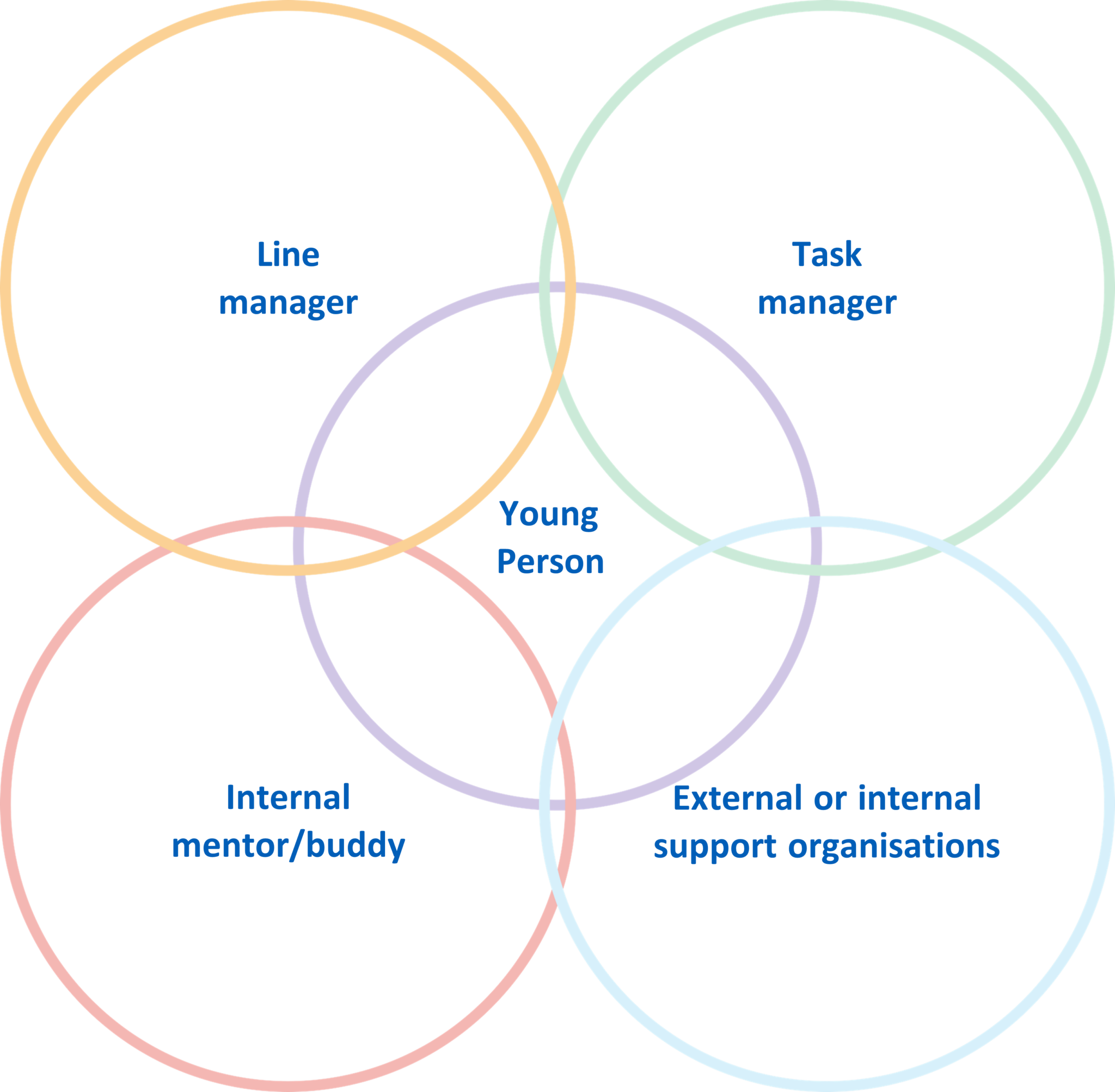
In NHS Birmingham and Solihull ICB, where James began his journey, they’ve established a regular internal communication network with representatives who can offer support, advice, and guidance on mental health, HR matters, recruitment, and EDI initiatives.
The standard NHS recruitment process—formal and often daunting—has been thoughtfully adapted. Job advertisements now focus on attitudinal traits rather than numerous requirements. Applications have been reconsidered to address the unique challenges care leavers might encounter—from missing employment history to having limited internet access.
Possibly most crucially, the Programme understands that starting a job can pose particular problems for care leavers who may be managing independent living without the support of parental assistance. Concerns like commuting fees, personal documentation, and banking arrangements—taken for granted by many—can become major obstacles.
The beauty of the Programme lies in its meticulous consideration—from clarifying salary details to providing transportation assistance until that essential first payday. Even seemingly minor aspects like rest periods and office etiquette are thoughtfully covered.
For James, whose professional path has “changed” his life, the Programme offered more than employment. It gave him a sense of belonging—that intangible quality that emerges when someone senses worth not despite their history but because their particular journey enhances the organization.
“Working for the NHS isn’t just about doctors and nurses,” James observes, his expression revealing the quiet pride of someone who has discovered belonging. “It’s about a family of different jobs and roles, a family of people who genuinely care.”
The NHS Universal Family Programme exemplifies more than an work program. It stands as a powerful statement that systems can adapt to embrace those who have known different challenges. In doing so, they not only transform individual lives but enhance their operations through the unique perspectives that care leavers provide.
As James moves through the hospital, his presence silently testifies that with the right support, care leavers can thrive in environments once considered beyond reach. The embrace that the NHS has extended through this Programme signifies not charity but recognition of untapped potential and the profound truth that each individual warrants a support system that believes in them.