
This company has no active jobs
0 Review
Rate This Company ( No reviews yet )
Company Information
- Total Jobs 0 Jobs
- Category NTB nakari
- Location Kalat
About Us
Green Building Certification: Boost Home Value and Cut Energy Bills Fast

Green constructing certification is a pivotal benchmark for development projects and properties seeking to show their commitment to sustainability, power efficiency, and environmental duty. This credential serves as a formal recognition that a building meets rigorous requirements in areas corresponding to useful resource conservation, indoor environmental quality, and ecological impression reduction. Beyond its environmental significance, incomes green building certification can present substantial financial benefits, enhance asset value, reduce operational costs, and reformas Pequenas enhance occupant well-being. Exploring the excellent scope of green constructing certification reveals the multifaceted benefits and technical requirements that make it an important a part of modern architectural and construction practice.
To fully comprehend the influence of green constructing certification, it is essential to first understand the array of certification packages that exist, every tailored to particular climates, project types, and regional insurance policies. Delving into their unique criteria and methodologies clarifies how these systems shape design decisions and development processes. Understanding these variations also aids stakeholders—from builders and designers to owners and facility managers—in selecting essentially the most appropriate certification framework to maximize return on funding and sustainability outcomes.
Overview of Prominent Green Building Certification Programs
Green constructing certification programs serve as standardized methods to quantify and validate sustainable building practices. Their technical criteria address a broad spectrum of environmental, social, and financial elements. Some certifications are internationally recognized, while others concentrate on local compliance and climate-specific concerns. Familiarity with leading programs is essential for aligning project goals with certification necessities and optimizing useful resource allocation all through planning and execution.
LEED (Leadership in Energy and Environmental Design)
LEED is essentially the most widely adopted green building certification worldwide, developed by the U.S. Green Building Council (USGBC). It evaluates buildings on a point-based system throughout key areas like power use, water effectivity, indoor environmental quality, materials choice, and innovation in design.
LEED certification levels—Certified, Silver, Gold, and Platinum—reflect the diploma to which tasks achieve sustainability targets. LEED’s rigorous documentation process ensures verified environmental advantages, offering credibility to market them effectively. For property homeowners, LEED certification not solely attracts environmentally acutely aware tenants or consumers but in addition sometimes qualifies buildings for tax incentives and grants, easing upfront capital expenditures.
Despite its complete construction, navigating LEED requirements can appear daunting because of its in depth technical conditions and the necessity for skilled session. However, this challenge is offset by LEED’s track document of confirmed energy financial savings, discount in greenhouse gasoline emissions, and improvement in occupant health metrics, which translates into decrease operational bills and enhanced employee productivity.
BREEAM (Building Research Establishment Environmental Assessment Method)
BREEAM is a leading certification in Europe, recognized for its adaptability to a variety of constructing varieties including infrastructure and communities. BREEAM assesses areas such as vitality efficiency, pollution, land use, and ecology, with an emphasis on decreasing negative environmental impacts at each life cycle stage.
One of BREEAM’s strengths is its versatile scoring system, allowing tasks to give attention to essentially the most related environmental impacts primarily based on location and building usage. For business actual property traders and developers, BREEAM certification indicators compliance with stringent European Union directives on sustainability, providing a strategic edge in a regulatory landscape moving rapidly towards decarbonization.
Moreover, BREEAM-certified buildings tend to have larger market demand due to improved constructing longevity and reduced operational costs stemming from systematic waste reduction and power optimization methods embedded within the certification course of.
WELL Building Standard
The WELL Building Standard elevates green constructing rules by specializing in human health and wellness. WELL certification evaluates how building design and operations enhance occupant well-being by way of air and water quality, gentle, thermal comfort, acoustics, and entry to nature.
This certification is particularly relevant for workplaces and multifamily residential developments the place occupant satisfaction and productivity influence financial performance. WELL certification addresses important ache points corresponding to sick constructing syndrome and poor indoor air quality by stipulating strict limits on pollutants and mandating options that contribute to bodily and mental health.
Integrating WELL standards with other certifications like LEED enhances a building’s general sustainability and positions it as a forward-thinking surroundings that prioritizes long-term tenant retention and model reputation.
Living Building Challenge
The Living Building Challenge represents the top of green building certification, requiring buildings to function as cleanly and efficiently as natural ecosystems. Its requirements mandate net-zero power and water use, non-toxic supplies, and on-site renewable power era, with a performance-based approach verified over a 12-month period.
This certification is difficult and resource-intensive but supplies unmatched prestige and proof of environmental stewardship. Projects pursuing the Living Building Challenge sometimes experience long-term value savings via decreased reliance on exterior utilities and enhanced resilience to climate-related disruptions.
It’s a perfect certification for organizations and developers aiming to set new industry benchmarks for sustainability and foster community pride in ecological innovation.
Technical Requirements and Building Practices for Certification
Achieving green building certification entails a radical integration of sustainable methods at every stage of design, construction, and operation. Each certification program prescribes particular requirements relative to vitality, water, materials, and indoor environmental high quality. These practices not solely fulfill regulatory checkpoints but additionally address major ache factors similar to high utility costs, useful resource shortage, and occupant discomfort.
Energy Efficiency and Renewable Energy Integration
Optimizing building energy performance is a cornerstone of green certification. This includes measures such as high-performance insulation, energy-efficient HVAC systems, LED lighting, and the deployment of sensible controls for lighting and temperature administration. The purpose is to reduce power consumption and peak demand, which immediately translates into lower utility payments and reduced carbon footprint.
Renewable vitality generation—through solar panels, wind generators, or geothermal systems—is encouraged or required by many certification packages. Incorporating renewables offsets fossil gasoline use and enhances energy safety, especially essential in regions with unstable power prices.
For building house owners and developers, the upfront investment in power effectivity could be recouped over time by way of operational savings and incentives corresponding to tax credit or internet metering programs. Certification can even assist buildings adjust to more and more stringent governmental vitality codes and standards.
Water Conservation and Management
Stringent water use discount targets and stormwater management are elementary to green constructing certification. Techniques include low-flow fixtures, rainwater harvesting, greywater recycling, and drought-resistant landscaping. These measures scale back burden on native water utilities, mitigate flooding dangers, and promote resilience during water shortages.
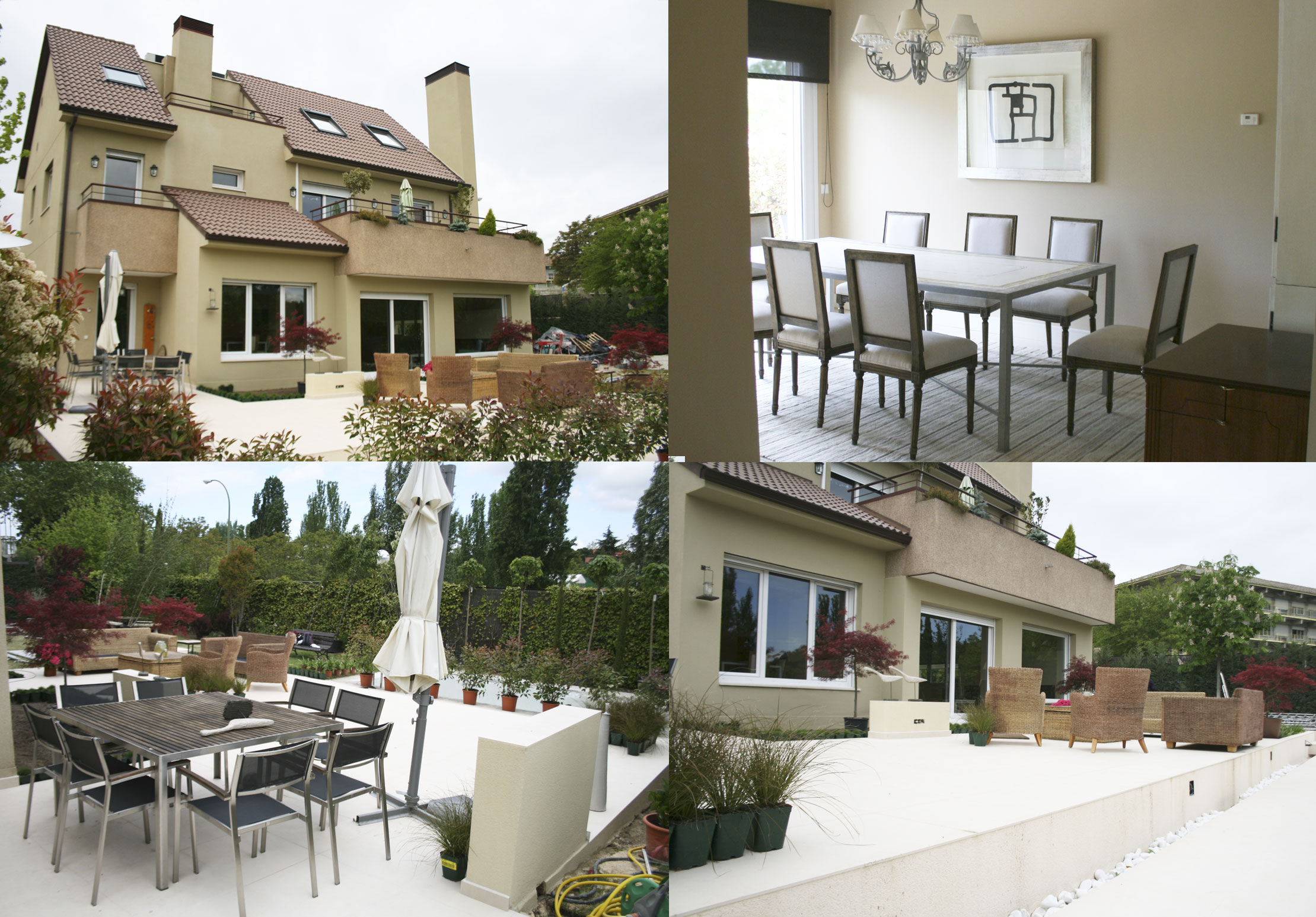
Water-efficient buildings see tangible financial advantages by decreasing water bills and reducing the need for pricey infrastructure upgrades. In arid or water-stressed areas, certification reassures stakeholders that the constructing mitigates environmental risks and reformas de casa complies with regional sustainability mandates.
Material Selection and Waste Reduction
The alternative of building materials significantly affects environmental impact. Green certification mandates the utilization of sustainably sourced, recycled, and Reformas De Casa domestically out there supplies with low embodied carbon and minimal toxicity. Life cycle evaluation guides materials selection to prevent resource depletion and air pollution.
Efficient construction waste management—through recycling, reuse, and diversion from landfills—is also a core requirement. Controlled waste methods improve web site security, decrease disposal prices, and contribute to the round economy, thus enhancing project profitability and group notion.
Indoor Environmental Quality and Occupant Health
Indoor reformas Residenciais environmental quality (IEQ) covers air quality, pure daylighting, acoustics, thermal comfort, and entry to green spaces. Certifications require limits on unstable organic compounds (VOCs), use of filtration methods, and strategic design to optimize daylight penetration and scale back glare.
Improving IEQ has clear enterprise benefits by reducing occupant absenteeism, enhancing productiveness, and rising the marketability of areas. WELL certification significantly amplifies these elements by integrating health-centric applied sciences and design considerations.
Economic and Market Benefits of Green Building Certification
Obtaining green constructing certification is a strategic investment that drives worth creation beyond traditional actual estate metrics. This section examines how sustainability credentials affect market positioning, operational costs, and long-term asset resilience.
Increased Property Value and Market Differentiation
Certified green buildings constantly command larger sale and lease prices in comparability with typical buildings. The certification acts as a trust signal to traders, buyers, and tenants that the property reduces environmental threat and working bills.
Incorporating green certification into marketing strategies helps builders differentiate projects in aggressive markets, entice high-caliber tenants, and adjust to company sustainability commitments.
Additionally, certification is commonly a prerequisite for presidency subsidies, green mortgages, or preferential financing, reducing capital prices and enhancing project feasibility.
Lower Operating and Maintenance Costs
Energy and water efficiency measures cut back consumption dramatically, instantly decreasing utility bills. Sustainable materials and superior building systems require less frequent alternative, minimizing maintenance costs over time.
Moreover, green buildings usually experience fewer system failures and longer equipment lifespans due to integrated design and performance monitoring, further reducing unexpected bills.
Regulatory Compliance and Risk Mitigation
Many jurisdictions are quickly adopting constructing codes and rules that implement energy effectivity and emissions discount. Obtaining certification proactively equips buildings to meet or exceed these evolving standards, minimizing the danger of pricey retrofits or penalties.
Certification also addresses public well being and environmental regulations, safeguarding the building owner’s status and lowering potential liabilities related to environmental contamination or poor occupant well being circumstances.
Enhanced Occupant Satisfaction and Productivity
Certified green buildings improve the consumer experience via higher environmental quality, thermal consolation, and daylight entry. Studies show measurable increases in employee productivity, lowered sick days, and higher tenant retention rates.
For multifamily housing, green certification provides health advantages and lowered utility costs that enhance resident satisfaction and scale back turnover, creating extra steady and profitable communities.
Challenges and Solutions in Pursuing Green Building Certification
Despite its advantages, the certification course of can encounter hurdles associated to prices, complexity, and knowledge gaps. Understanding these challenges and proactive mitigation methods is critical to achieving certification targets inside schedule and finances.
Upfront Costs and Budget Management
The preliminary funding for sustainable supplies, applied sciences, and certification charges can be significant, posing obstacles for some initiatives. However, adopting built-in design from early stages minimizes expensive design adjustments and leverages economies of scale.
Leveraging financial incentives, grants, and rebates helps offset upfront expenses. Employing cost-benefit analysis that accounts for life cycle savings reinforces the business case to stakeholders.
Technical Expertise and Documentation Requirements
The documentation process for certification is intensive and requires expertise in power modeling, material sourcing, indoor environmental quality testing, and project management. Partnering with specialized consultants and utilizing certification-specific software program streamlines this course of and ensures compliance.
Continuous training of project groups and early coordination between architects, engineers, and contractors reduces rework and maximizes certification factors.
Operational Performance and Post-Certification Verification
Some certifications, notably performance-based ones like the Living Building Challenge, require ongoing monitoring and reporting after project completion. Maintaining techniques and occupant conduct aligned with certification requirements may be difficult.
Implementing building automation systems, occupant education schemes, and reformas de casa preventive maintenance schedules are important to sustaining certification benefits and avoiding efficiency degradation.
Summary and Next Steps for Pursuing Green Building Certification
Green building certification represents a comprehensive framework to raise construction high quality, environmental stewardship, and occupant experience. Selecting the appropriate certification—whether LEED, BREEAM, WELL, or Living Building Challenge—depends on project targets, location, and stakeholder priorities. Achieving certification requires meticulous consideration to vitality and water efficiency, material sustainability, waste reduction, and indoor environmental high quality, all of which contribute to improved property value, operational financial savings, regulatory compliance, and occupant well-being.
To embark on a green certification journey, start with a feasibility evaluation aligned with project aims and budget constraints. Engage experienced sustainability consultants and design teams early within the improvement process to maximize synergies. Investigate local and federal incentives which will offset prices and improve return on investment. Adopt a holistic strategy integrating design, building, and operational methods to ensure durable efficiency and occupant satisfaction. Finally, preserve efficiency verification and continuous improvement practices post-certification to realize lifelong advantages from this transformative credential.